

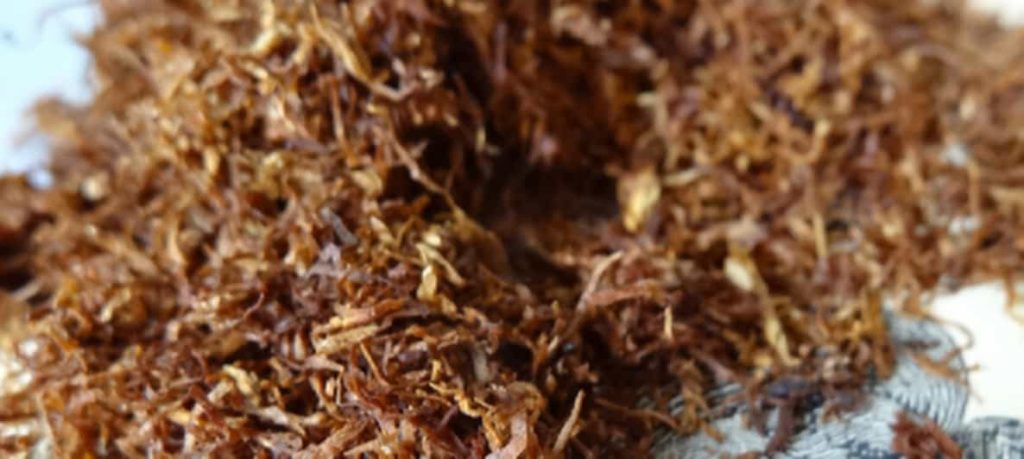
Cut rag tobacco is a fascinating world that goes beyond mere manufacturing. It is a meticulous process that involves selecting high-quality rag tobacco, cutting it into thin strips, and using it for various purposes such as rolling cigarettes or pipe smoking. The mastery behind the blends that give cigarettes their unique character is a blend of science, technology, and creativity. This fascinating world goes beyond mere manufacturing, involving meticulous processes and blending mastery to create unique flavors and aromas. Immerse yourself in the world of cut rag tobacco and discover the mastery that creates an unforgettable smoking experience .
The History of Cut Rag Tobacco
The history of cut rag tobacco is as rich and complex as the blends it helps create. From its early use in indigenous cultures to its role in the modern tobacco industry, cut rag tobacco has a story to tell.
Selection of Tobacco Leaves
The first step in the production of cut rag tobacco is the selection of tobacco leaves. This involves choosing high-quality leaves that will provide the desired flavor and aroma.
Cutting and Curing
Once the leaves have been selected, they are cut into thin strips or “rags”. These rags are then cured, a process that involves drying the leaves to bring out their natural flavors.
Blending and Flavoring
The cut rags are then blended with other types of tobacco to create a unique flavor profile. This is where the art and science of tobacco blending come into play.
Cut Rag Tobacco in Cigarette Manufacturing
Cut rag tobacco plays a crucial role in the cigarette manufacturing process. It provides the bulk of the tobacco used in cigarettes, contributing to their flavor and burn characteristics.
Cut Rag Tobacco in Pipe Smoking
In addition to its role in cigarette manufacturing, cut rag tobacco is also used in pipe smoking. It provides a slow, even burn that is ideal for this method of tobacco consumption.
The Mastery of Blending
The blending of cut rag tobacco is a skill that requires both art and science. It involves combining different types of tobacco in precise proportions to create a blend that is greater than the sum of its parts.
The Technology Behind Cut Rag Tobacco
The production of cut rag tobacco involves a combination of traditional methods and modern technology. This blend of old and new allows for the creation of high-quality tobacco products that meet the demands of today’s consumers.
Changes in Production Techniques
Over the years, the production techniques used to create cut rag tobacco have evolved. These changes have allowed for greater consistency and quality in the final product.
Impact on the Tobacco Industry
The evolution of cut rag tobacco has had a significant impact on the tobacco industry. It has influenced the types of products available and the way they are produced.
Cut rag tobacco manufacturing process
The manufacturing process of cut rag tobacco involves several steps, starting with the harvesting of tobacco leaves. These leaves are then fermented, threshed into material, moistened, cut into tobacco, and finally dried .
More specifically, the process includes the following steps:
- Moisturizing leaf tobacco: This is the preliminary step for humidifying the tobacco .
- Splitting and saucing of leaf tobacco: This involves the separation of the leaf tobacco and its impregnation with sauces .
- Mixing different types of leaf tobacco: Different varieties of leaf tobacco are mixed together .
- Cutting leaf tobacco: The leaf tobacco is cut into fine strips, with a fiber width ranging from 0.5 to 1.5 mm. This machine can handle a moisture content of up to 22% .
- Drying cut tobacco: After cutting, the tobacco is dried in a drum designed for this purpose. During the drying process, the moisture content of the cut tobacco is brought to the specified level .
- Cooling cut tobacco: The cut tobacco is then cooled .
- Aromatization of cut tobacco: The cut tobacco is flavored or aromatized .
- Packaging of finished products: The final step is the packaging of the finished cut rag tobacco products .
Cut rag tobacco vs loose leaf tobacco
Cut rag tobacco and loose leaf tobacco are two different forms of tobacco that are used for different purposes. Here’s a comparison based on the information provided:
Cut Rag Tobacco:
- Manufacturing Process: Cut rag tobacco is produced through a series of steps including moisturizing, splitting, saucing, mixing, cutting, drying, cooling, aromatizing, and packaging .
- Cut Size: The tobacco is cut into fine strips with a fiber width ranging from 0.5 to 1.5 mm .
- Moisture Content: The process can handle a moisture content of up to 22% .
- Usage: Primarily used in cigarette manufacturing, cut rag tobacco is ready to be made into cigarettes .
- Packaging: It is packaged after the production process is complete .
Loose Leaf Tobacco (Shag):
- Description: Shag, or rolling tobacco, is fine-cut tobacco used to make self-made cigarettes by hand rolling the tobacco into rolling paper or injecting it into empty tubes .
- Cut Style: Shag blends use a simple mixture of cutting styles, mostly loose cut, but can also include krumble kake, ribbon cut, and flake .
- Ideal for: Shag is ideal for hand-rolled cigarettes, and there are specific blends for those who use a tool to fill empty tubes, which are cut in smaller pieces and are drier than normal shag .
- Market Share: Shag tobacco has a significant market share in some countries, such as the Netherlands, although it is declining .
- Cost: Smoking shag is generally cheaper than smoking ready-made cigarettes .
Cut Rag Tobacco Brands
There are several brands that manufacture cut rag tobacco, each with their own unique blends and processes. Here are some of them:
- U.S. Tobacco Cooperative: They provide superior quality cut rag processed to customer specifications. Their blends include American Blend and English/Virginia Blends .
- Kohltrade: They develop blends according to the customers’ requirements and offer standard top-sales blends. Their blends include American Blend and Virginia Blend .
- Tobacco.biz: They produce cut-rag according to customers specifications and supply needs. Their blends include American Blend, English style Blend, and Oriental blends .
- B2B Tobacco Supplier: They supply cut rag tobacco of exceptional quality using the most efficient processing and blending techniques .
- Cut Rag Processors: Their blends are manufactured from the finest hand-picked Zimbabwean tobacco .
- Brasfumo: They develop and produce tailor-made cut-rag blends, according to customers final product specifications. Their tobacco types include American Blend, English Blend, and Roll Your Own .
- Comas Italy: They offer a wide range of products for the preparation of casing and flavoring liquids .
- Atlas Tobacco: With more than ten years of knowledge and experience, they provide cut rag suitable for American Blend, Virginia Blend, Oriental Blend, and Local Blend .
Cut rag tobacco vs loose leaf tobacco
Cut rag tobacco and loose leaf tobacco, also known as shag, are two different forms of tobacco that are used for different purposes.
Cut rag tobacco is a processed form of tobacco that is specifically prepared for cigarette manufacturing. The tobacco is cut into fine strips with a fiber width ranging from 0.5 to 1.5 mm. The process can handle a moisture content of up to 22%. After the production process, which includes steps like moisturizing, splitting, saucing, mixing, cutting, drying, cooling, aromatizing, and packaging, the cut rag tobacco is ready to be made into cigarettes .
On the other hand, loose leaf tobacco, or shag, is fine-cut tobacco that is used for rolling one’s own cigarettes. Shag blends use a simple mixture of cutting styles, consisting mostly of loose cut but also krumble kake, ribbon cut, and flake may be used. Shag is ideal for hand-rolled cigarettes, and there are specific blends for those who use a tool to fill empty tubes, which are cut in smaller pieces and are drier than normal shag. Shag tobacco has a significant market share in some countries, such as the Netherlands, although it is declining. Smoking shag is generally cheaper than smoking ready-made cigarettes .
Cut rag tobacco vs heated tobacco products
Cut rag tobacco and heated tobacco products represent two distinct categories within the tobacco industry, each with unique characteristics and uses.
Cut Rag Tobacco:
- Definition: Cut rag tobacco is tobacco that has been cut into fine strips for use in cigarettes .
- Manufacturing Process: The production of cut rag tobacco involves several steps, including moisturizing, splitting, saucing, mixing, cutting, drying, cooling, aromatizing, and packaging .
- Usage: It is primarily used in cigarette manufacturing and is ready to be made into cigarettes after the production process .
- Form: Cut rag tobacco is available in fine strips with a fiber width ranging from 0.5 to 1.5 mm and can handle a moisture content of up to 22% .
Heated Tobacco Products:
- Definition: Heated tobacco products use various energy sources and means to heat tobacco, creating an aerosol that contains nicotine and flavorings .
- Manufacturing Process: These products contain processed tobacco that is heated in hand-held devices to produce flavored vapor without burning the tobacco .
- Usage: The tobacco for heating is used in devices that heat the tobacco to release flavors and nicotine but without the combustion of tobacco .
- Form: The processed tobacco is often contained in a capsule which is inserted into the device for heating .
Conclusion
Cut rag tobacco is a fascinating and complex world that combines art, science, and tradition. Its role in the tobacco industry is crucial, and its impact is felt in every cigarette and pipe that is enjoyed by consumers around the world.
FAQs:
- What is cut rag tobacco?
- How is cut rag tobacco produced?
- Where are the top producing countries of cut rag tobacco?
- Why is cut rag tobacco important for cigarette manufacturing?
- How does cut rag tobacco impact the tobacco industry?
- What are the recent developments in cut rag tobacco production?
- Can cut rag tobacco be used for other products besides cigarettes?
- Does the quality of leaf tobacco affect the final cut rag product?
- Will the demand for cut rag tobacco continue to grow?
- Who are the main consumers of cut rag tobacco?
- What technological advancements have been made in cut rag tobacco production?
- How is cut rag tobacco blended for different flavors?
- Is there a standard moisture content for cut rag tobacco?
- How does the global production volume of cut rag tobacco influence market trends?
- What future projections exist for the cut rag tobacco industry?
Answers:
- Cut rag tobacco is tobacco that has been cut into fine strips for use in cigarettes and other tobacco products .
- It involves moisturizing, splitting, mixing, cutting, drying, cooling, aromatizing, and packaging .
- Zimbabwe, India, and Indonesia are among the top producers .
- It provides the bulk of tobacco used in cigarettes, contributing to flavor and burn characteristics .
- It plays a crucial role in the production and quality of tobacco products .
- Zimbabwe is investing in an $80 million plant to boost cut rag tobacco production .
- Yes, it can also be used in pipe smoking and other tobacco blends .
- Yes, the selection of high-quality leaves is crucial for the desired flavor and aroma .
- Given its role in the industry, demand is likely to continue or increase .
- Cigarette manufacturers and pipe smokers are the main consumers .
- There have been advancements in cutting machines and drying processes .
- Blending involves combining different types of tobacco for specific flavor profiles .
- Yes, the moisture content is controlled during the drying process to achieve specific characteristics .
- It affects pricing, supply, and the development of new products .
- With initiatives like Zimbabwe’s, there is a push to increase production and exports .
Sources of information:
The provided search results from industry websites, export data, and reports on tobacco production and trade serve as sources of information on cut rag tobacco https://tabmash.ru/catalog/lines-for-the-production-of-cut-rag-tobacco-and-stem/the-line-for-the-production-of-cut-rag-tobacco-with-a-capacity-of-1-t-h/?lang=en
https://www.seair.co.in/cut-rag-tobacco-export-data.aspx
CRP to Build $80 million Plant in Harare
https://www.theafricareport.com/314402/zimbabwe-is-revitalising-tobacco-farming-but-at-what-price/
https://www.tobacco.biz/cut-rag/.
Citations:
- Tabmash.ru – Information on the production line for cut rag tobacco https://tabmash.ru/catalog/lines-for-the-production-of-cut-rag-tobacco-and-stem/the-line-for-the-production-of-cut-rag-tobacco-with-a-capacity-of-1-t-h/?lang=en.
- Seair.co.in – Export data for cut rag tobacco from India https://www.seair.co.in/cut-rag-tobacco-export-data.aspx.
- Europa.eu – Information on tobacco additives and production processes https://ec.europa.eu/health/scientific_committees/opinions_layman/tobacco/fr/l-3/2.htm.
- AOIntl.com – Glossary of tobacco terms defining cut rag https://www.aointl.com/files/1414/5796/7368/Glossary_of_Tobacco_Terms.pdf.
- TobaccoReporter.com – Article on Cut Rag Processors’ new plant in Zimbabwe https://tobaccoreporter.com/2022/10/09/tobacco-firm-to-build-80-million-plant-in-harare/.
- TheAfricaReport.com – Article on Zimbabwe’s tobacco farming and production https://www.theafricareport.com/314402/zimbabwe-is-revitalising-tobacco-farming-but-at-what-price/.
- Tobacco.biz – Information on cut-rag production and blends https://www.tobacco.biz/cut-rag/.